
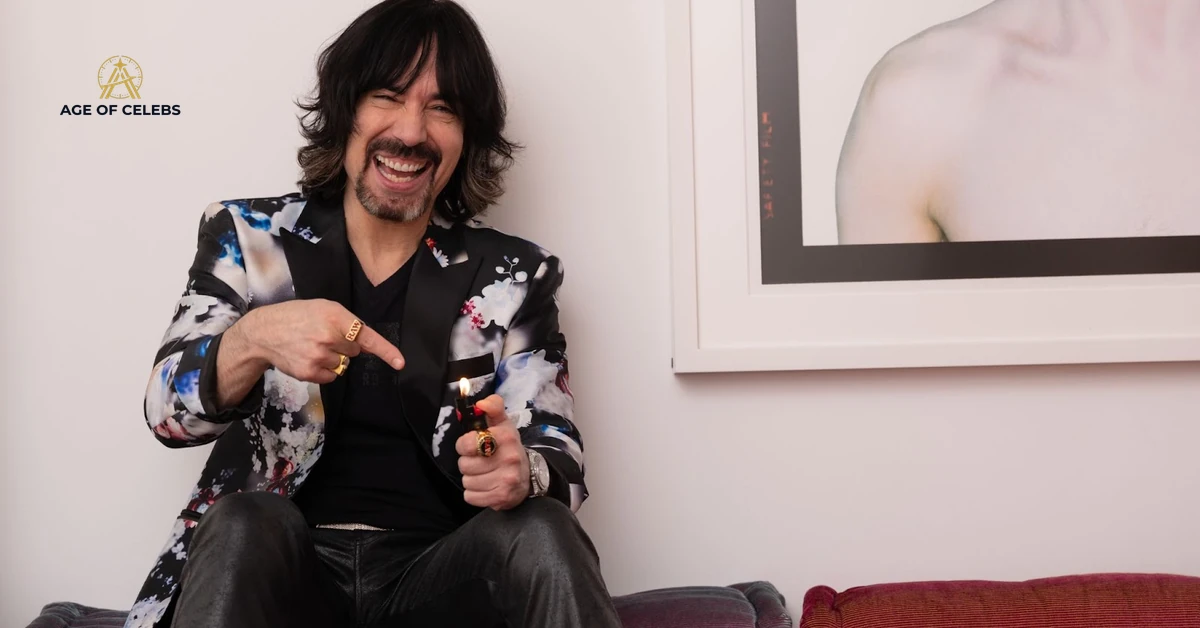
Josh Kesselman is an American entrepreneur who lives in Phoenix, Arizona, and he is best known as the founder of RAW Rolling Papers, the unbleached, plant-based rolling paper brand sold in smoke shops and dispensaries across the world. His main income source is the business empire he built around that brand, including HBI International, the Phoenix-based company behind RAW, plus the sister brands Elements and Juicy Jay’s. Josh Kesselman Net Worth is the question that follows him everywhere, because he turned a $500 smoke shop gamble into a global company. He did not inherit a fortune, and he did not ride a tech boom to riches.
Instead, he spent three decades obsessing over a product most people never think twice about: a sheet of paper. That obsession made him wealthy, made him famous in cannabis culture, and made him one of the most recognizable founders in the industry. His story runs from a childhood magic trick in New York to a factory floor in Spain, from a federal raid and house arrest to a seat on the Forbes Cannabis 42.0 list. It is a story about patience, product quality, and giving back, and it explains why his fortune is so hard to pin down to a single number.
| Full Name | Joshua D. Kesselman |
| Known As | Josh Kesselman |
| Born | May 14, 1972 (age 54 in 2026) |
| Birthplace | Reports differ: some biographies list Los Angeles, while Inc. describes him as a native of Manhattan, New York |
| Residence | Phoenix, Arizona, United States |
| Nationality | American |
| Height | Not publicly reported by a reliable source |
| Profession | Entrepreneur, founder and CEO of RAW Rolling Papers and HBI International |
| Education | University of Florida, graduated 1993 |
| Known For | Founding RAW Rolling Papers; Elements; Juicy Jay’s; publisher of High Times |
| Companies | HBI International, RAW Rolling Papers, Elements, Juicy Jay’s, High Times |
| Partner | Not publicly disclosed |
| Children | Not publicly disclosed |
| Net Worth | Estimated $45 million to $48 million (published estimates; privately held company, no audited figure) |
| Social Media | Instagram @rawkandroll; TikTok @rawkandrolling |
Josh Kesselman Age
Josh Kesselman was born on May 14, 1972, which makes him 54 years old in 2026. He turned 54 in the spring of 2026, and he has now spent more than half his life in the rolling paper business. That long timeline matters. His fortune was not built in a single viral moment. It was built slowly, factory by factory, account by account, over three decades.
His age also puts his early hustle in context. He was only 21 when he opened his first smoke shop in 1993, fresh out of college and working with almost no money. He was in his early thirties when RAW launched in 2005, and he was already a veteran of the industry by then. He had survived a raid, a shutdown, and a move across the country before most founders ever face their first real crisis. By the time RAW became a cultural phenomenon in the late 2000s, he had been in the business for well over a decade. Fans sometimes assume he is a young influencer who got lucky with a trendy brand. The truth is far less glamorous and far more impressive. He is a middle-aged founder who outlasted competitors, outworked setbacks, and stayed loyal to one product category for his entire working life.
Age has also shaped his public image. He does not present himself as a distant corporate chief executive. He shows up at factories, trade shows, and charity projects, and he talks about rolling papers with the enthusiasm of a collector. That energy comes from a lifetime in the trade. He collected rolling papers as a child, traded them with collectors in Europe as a student, and still treats the paper itself as something close to magic. His age, in short, is not just a number on a biography page. It is the reason his story carries weight. He earned his place the slow way.
Josh Kesselman Early Life and Family Background
Josh Kesselman grew up in New York, in Manhattan and Long Island, according to Inc. magazine’s in-depth profile of him. Some online biographies instead list Los Angeles as his birthplace, so readers will see both claims depending on where they look. What every account agrees on is the moment that started everything. He was five years old, walking around Manhattan with his father, when his father performed a small magic trick. His father smoked rolled cigarettes, and he took a leaf of rice paper from a small booklet, lit it, and tossed it into the air. The paper vanished in a flash. Young Josh watched it disappear and never forgot it.
His father worked as a sweater maker, and he performed magic tricks during the holidays. His grandfather was a World War II veteran, and Kesselman has said he was raised with a strong sense of hard work and discipline from both men. That family background gave him two things that later defined his career. The first was a fascination with rolling papers that never faded. The second was a willingness to work with his hands and to start small. He did not grow up around wealth or business connections. He grew up around a father who made things and a grandfather who had served his country.
As soon as he was old enough, he started buying every new rolling paper he could find in head shops, and he built a large collection. During his college years, he posted his collection online and traded papers with collectors in Europe. That hobby taught him something valuable before he ever sold a single product. It taught him that rolling papers were not all the same. Different factories, different fibers, and different gums produced different smoking experiences. Collectors cared about those differences. Smokers did too, even if they could not always explain why. That knowledge became the foundation of his business.
He attended the University of Florida and graduated in 1993. Some lower-quality biographies claim he studied at the University of Pennsylvania, but the Inc. profile, which is based on direct interviews with Kesselman, places him at the University of Florida and dates his graduation to 1993. After graduation, he did not take a safe corporate job. He took a chance on himself, and that decision changed his life.
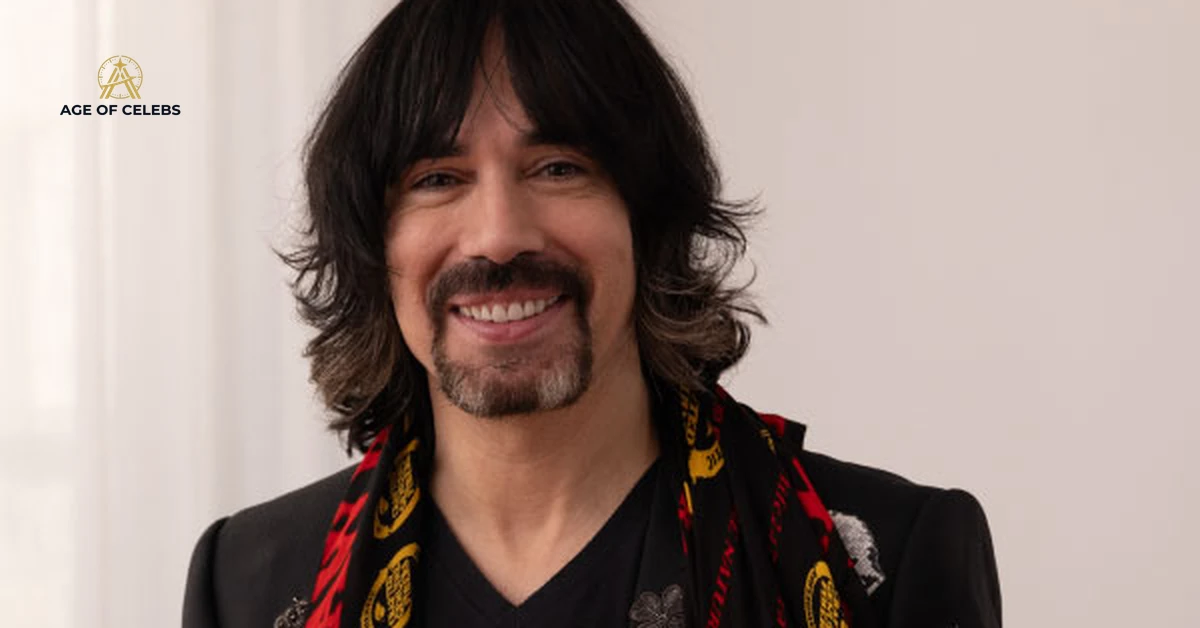
Josh Kesselman Career: From a $500 Smoke Shop to a Global Brand
In 1993, straight out of college, Josh Kesselman opened a small smoke shop called Knuckleheads in Gainesville, Florida. He scraped together $500 to rent the storefront, and he slept in a shed behind a friend’s house to make ends meet. The shop imported specialty rolling papers from Europe and sold pipes, bongs, and smoking accessories. It was a tiny business, but it put him on the right side of the counter. He was no longer just a collector. He was a retailer who talked to smokers every day and learned what they actually wanted.
Then disaster struck. In 1996, he sold a bong to a young woman whose father worked for the United States government. Days later, federal agents raided the shop and arrested him. He was forced to shut the business down, charged with a felony for selling drug paraphernalia, and placed under house arrest for a few months. For many young founders, that would have been the end of the story. For Kesselman, it was a brutal lesson that reshaped his entire approach. He learned that the accessories business carried legal risks he did not want to carry again. He also learned that he was not finished with the industry. He was just finished with that version of it.
Later that same year, he moved to Arizona and started over. He launched HBI International, a smoke-shop supply and distribution company, but this time he did not sell bongs. He doubled down on rolling papers. By 1997, the business was adding new accounts every week. Distribution taught him the other half of the trade. Retail had taught him what customers wanted. Distribution taught him how products actually reached stores, how margins worked, and how a brand could scale beyond a single shop. That combination of retail instinct and distribution discipline is rare, and it explains why his later brands grew so fast.
His path resembles that of other founders who turned a personal obsession into a company, though his route was far rougher than most. Like fellow wellness entrepreneur Gary Brecka, who turned years of data work into a wellness brand, Kesselman turned years of hands-on experience into a product people trusted. The difference is that Kesselman built his fortune on a single, simple product category and refused to leave it, even when the law, the market, and his own early failures pushed him to quit.
The Birth of RAW Rolling Papers
The idea for RAW came from frustration. A customer had praised a so-called natural cigarette brand, and when Kesselman tried it, he was appalled by its bleached white, calcium-filled paper. That experience planted a seed. What if a rolling paper could be as pure as possible, with minimal additives and no chemical whiteners? What if it was made from natural, unbleached fiber, with a gum line that used a plant-based adhesive instead of an animal-based one? Those questions became RAW.
Before RAW, Kesselman had already built two other brands with the help of a Spanish paper maker named Jose Emilio. As a child, Kesselman had loved a Spanish rice paper called Marfil, and he later learned that the factory that made it had closed after litigation from a large American tobacco company. Jose Emilio had managed to acquire and preserve machines and workers from that original factory, and his family had produced Marfil papers for generations. The two men bonded over their shared love of rolling papers, despite the language barrier between them. Together, they revived that legacy with Elements, a brand built around natural elements, and then with Juicy Jay’s, a line of flavored papers named after a nickname Kesselman had earned in high school.
RAW itself launched in 2005, according to the company’s own official announcements, which describe RAW as an independent, global brand headquartered in Phoenix and launched by Kesselman that year. Some online biographies date the company to 1995, which appears to reflect the earlier roots of his paper business rather than the launch of the RAW brand itself. The papers are produced in Alcoy and the nearby factory town of Benimarfull, Spain, an area with a long history of paper making. They are made from minimally processed organic hemp fibers, they contain no chemical whiteners like most other papers, and they are light brown in color. They are considered vegan because they contain no dye, since some dyes are made with lactose, and because the gum line uses a plant-based adhesive.
The timing of the launch mattered. Around 2008, RAW became popular in the hip-hop world, and Wiz Khalifa even dedicated a song to the brand, titled “Raw.” Artists like 2 Chainz also embraced it. Suddenly, a product built for purists became a cultural symbol. Kesselman had not planned a celebrity marketing campaign. He had built a better paper, and the culture found it. Today, RAW is sold in every American state across thousands of convenience stores, smoke shops, and cannabis dispensaries, and Inc. reported that his Phoenix company employed around 2,000 workers, with offices in the United States, Canada, and Europe. The brand also holds a strong position in legal cannabis states, with Inc. reporting that it held about 30 percent of the market in at least six legal cannabis states.
That scale is also why RAW looks different from a creator-led product launch. Compare it with Happy Dad, a drinks brand that grew out of an existing online audience. Kesselman did the reverse. He built the product first, earned distribution store by store, and let the audience arrive later. The result is a brand that does not depend on one influencer or one viral moment. It depends on shelf space, repeat buyers, and a factory that keeps producing the same paper year after year.
See Also: Happy Dad Net Worth: Owners, Revenue & Brand Value
Josh Kesselman Net Worth
So what is Josh Kesselman Net Worth really worth? The honest answer is that nobody outside his company knows the exact figure, because RAW and HBI International are privately held and publish no audited accounts. Published estimates, however, cluster in a fairly narrow range. Multiple biography and net worth sites put his fortune at around $45 million, citing sources such as Famous People Today and Net Worth Fever. Other reports from 2023 put the figure slightly higher, at around $48 million. A few outlets have gone further, with one claiming a $50 million personal fortune and another describing a $200 million empire across RAW and his suite of brands. That larger number appears to describe the value of the business empire rather than his personal net worth, so readers should not treat the two figures as the same thing.
The safest way to describe his wealth, based on the published record, is an estimated range of $45 million to $48 million. Some older or lower-quality pages list far smaller figures, including claims of $11 million or even less than $1 million, but those numbers conflict with the scale of his company, its workforce, and its distribution, and they carry no credible sourcing. At the same time, no major financial publication such as Forbes or Bloomberg has published a verified personal net worth figure for him. Forbes has recognized him on its Cannabis 42.0 list, which honors influence and industry impact rather than ranking personal fortunes. His wealth should therefore be read as a well-supported estimate, not as a bank balance.
His income comes from several streams, but they all flow from the same source: ownership of his companies. The main streams include:
- RAW Rolling Papers sales: the core business, selling papers and smoking accessories through distributors, smoke shops, dispensaries, and convenience stores worldwide.
- HBI International distribution: wholesale supply revenue from the distribution company he founded in 1996.
- Elements and Juicy Jay’s: revenue from his two sister paper brands, which reach different segments of the same market.
- High Times: media and events revenue from the cannabis publication he now publishes with business partner Matt Stang, including the Cannabis Cup events.
- Brand licensing and appearances: income tied to the RAW name, merchandise, and his large social media following.
What makes his fortune different from a celebrity fortune is how it is held. An actor or musician earns fees and royalties. Kesselman owns the factory relationships, the distribution network, and the brand itself. That ownership is valuable, but it is also illiquid. He cannot simply sell a slice of RAW the way a shareholder sells stock. His wealth rises and falls with the company, with the cannabis market, and with the regulatory climate in each state where his products are sold. That is also why estimates vary. Valuing a private company requires assumptions about revenue, margins, and growth, and different outlets make different assumptions.
One useful comparison is the wider world of founder wealth. At the very top of that world sits Elon Musk, whose fortune runs into the trillions on paper because his companies are publicly traded and valued daily by the market. Kesselman operates at the opposite end of that scale. His company is private, his valuation is private, and his fortune is measured in tens of millions rather than billions. That gap does not make his achievement smaller. It makes it harder to measure, and it makes honest estimates more valuable than flashy ones.
There is one more number worth treating with care. Some reports claim RAW’s revenues passed $100 million during the pandemic, when demand tripled as consumers stayed home. That figure, if accurate, describes company revenue, not personal income. Revenue pays for factories, workers, shipping, taxes, and charity. Only a portion of it ever reaches the founder as profit. Readers who see a big revenue number should never mistake it for a net worth figure. The $45 million to $48 million estimate already accounts for that difference, which is why it remains the most credible range available.
See Also: Elon Musk Net Worth 2026: Bio, Age, Family & Fortune

Josh Kesselman Spouse and Partner
Who is Josh Kesselman‘s wife or partner? Based on every reliable source available, that information is not publicly known. No credible biography, interview, or reputable news profile names a wife, husband, or long-term partner for him, and he does not discuss a romantic relationship on his public social media accounts. His public profiles focus almost entirely on his work, his factories, his charity projects, and his brand. Some low-quality net worth pages speculate about his personal life, but none of them names a partner with any sourcing, so this article does not repeat those claims.
That privacy appears to be a deliberate choice. Kesselman is a very public figure in one sense: he posts constantly about RAW, he tours factories on camera, and he speaks openly about his business failures and his philanthropy. In another sense, he keeps a firm boundary around his private life. He does not share family photos, relationship announcements, or details about a home life. Readers should respect that boundary and should treat any site that claims to name his wife or girlfriend without evidence as unreliable. If he ever confirms a relationship publicly, this section will be updated. Until then, the honest answer is simple: his partner, if he has one, has not been publicly disclosed.
It is also worth clearing up a common confusion. Some readers mix him up with other people named Kesselman, including a corporate executive named Joseph I. Kesselman who appears in unrelated stock ownership filings. That person is not Josh Kesselman, and those filings have nothing to do with RAW. The confusion shows up on scraper sites that mash different people together, and it is one more reason to rely on direct profiles and company announcements rather than aggregator pages.
Josh Kesselman Family and Personal Life
Family, for Josh Kesselman, means the people who shaped him and the community he built around his brand. He was raised by his grandfather, a World War II veteran, and his father, a sweater maker who did magic tricks during the holidays. He credits both men with instilling hard work and dedication in him, and he continues to honor their legacy through his work and his charitable giving. He has not publicly disclosed whether he has children of his own, and no reliable source names any children. That part of his life, like his relationship status, remains private.
His personal life is closely tied to his values. He has been vegan since the early 1990s, a choice that grew out of a spiritual turning point on a Canadian fishing trip, when he caught a salmon, looked at it, and let it go. After that moment, he decided everything he consumed would be vegan, including rolling papers. That decision later became a business advantage. When he searched in 2004 for a supplier who could sell natural, unbleached fiber suitable for vegan paper, he found only one. That supplier relationship became the foundation of RAW. His lifestyle and his product are the same story, told twice.
He is also known for a colorful personal style that matches his brand. Inc. reported that he owns a custom vegan Ferrari, a detail that fans love because it captures his personality so well. He smokes arm-size joints, he jokes about his own product, and he treats cannabis culture as a community rather than just a market. At the same time, he takes the serious side of that community seriously. His charity work focuses on people harmed by cannabis laws, on clean water, and on shelters for people facing homelessness. That mix of humor and seriousness is what makes him popular with fans. He does not pretend to be a buttoned-up chief executive. He is a founder who still acts like a fan of his own product.
On social media, he is easy to find and hard to miss. His Instagram account, @rawkandroll, has more than 2 million followers, and his TikTok account, @rawkandrolling, has also passed 2 million followers according to published profiles. His posts mix factory tours, product launches, car shows, charity trips, and behind-the-scenes moments from the RAW world. That direct connection with fans is part of his business model. He does not need a traditional advertising budget when millions of people follow the founder himself.
Josh Kesselman Philanthropy and RAW Giving
Philanthropy is not a side project for Josh Kesselman. It is one of the most consistent threads in his career, and it started long before RAW became famous. Through RAW Giving, the charitable arm of his company, he has funded clean water wells in East Africa, supported animal shelters and sanctuaries, and donated to organizations helping people harmed by cannabis laws. Inc. reported that he had donated $2 million to charities in Africa, and by the early 2020s he said total donations had passed $3 million.
The water projects are the heart of that work. The first RAW Giving project was a deep-bore water well in drought-stricken southern Ethiopia, built with the organization Wine to Water. The well was 40 meters deep and served villagers who had lived through years of drought. RAW Giving later rebuilt and modernized the well at Saint Mother Teresa’s Missionaries of Charity center in Addis Ababa, Ethiopia, an 800-person hospital for the very sick and destitute, installing a modern deep well with a special water storage system. The team then moved to neighboring Uganda, where the Lucky 13 project repaired and refurbished 13 previously defunct water wells and taught local people how to fix wells, save for repairs, and prevent illness.
His giving has also focused closer to home. In March 2024, HBI International donated $100,000 to Central Arizona Shelter Services (CASS), the state’s largest and longest-serving emergency shelter program, following several previous contributions to the shelter. Kesselman, a long-time Arizona resident, said the donation was close to his heart because everyone deserves a safe place to sleep each night. In 2023, the company also donated to the Arizona Coalition to End Sexual and Domestic Violence, Water is Life International, Home Fur Good, and the Last Prisoner Project, among others. More recently, his giving has shifted toward people negatively impacted by cannabis laws, with donations to the Last Prisoner Project and the Weldon Project, and work alongside industry advocate Steve DeAngelo.
In July 2026, he formalized that giving with the launch of the Josh Kesselman Foundation for Making the World a Better Place, a registered 501(c)(3) nonprofit with an initial endowment of more than $2.2 million. The foundation’s first $40,000 grant went to Freedom Grow, a nonprofit supporting people incarcerated for cannabis-related offenses and their families, and an additional $79,601.97 went to Senai Global for clean water rehabilitation projects in Ethiopia. Before the foundation launched, his previous company and personal donations had already exceeded $3.5 million, according to the launch announcement. For a founder whose fortune is estimated at $45 million to $48 million, that level of giving represents a substantial share of his wealth, and it is a major reason fans respect him beyond the product itself.
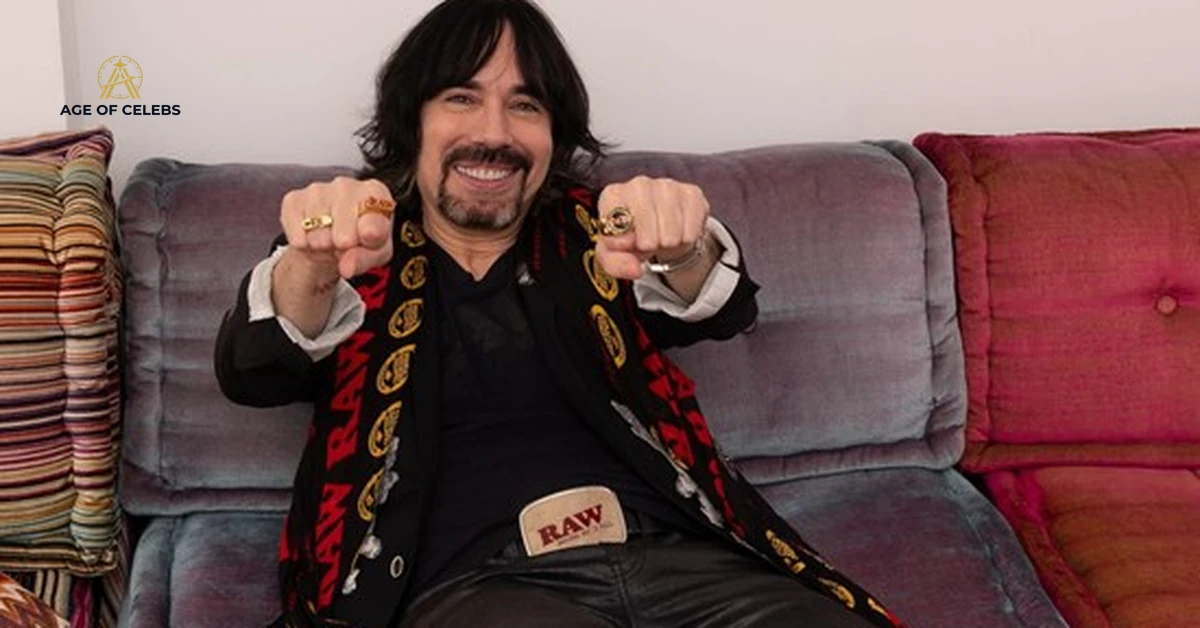
Josh Kesselman and High Times: A New Chapter
The most surprising recent chapter in Kesselman’s career has nothing to do with rolling papers. After High Times’ parent company, Hightimes Holding Corp., entered receivership in April 2024, the future of the iconic cannabis magazine looked uncertain. Kesselman and business partner Matt Stang, a cannabis entrepreneur and former co-owner of High Times, stepped in and acquired the publication. Reports describe the deal as a $3.5 million all-cash acquisition covering the entire High Times intellectual property portfolio, including the Cannabis Cups, the globally recognized competitions that have long symbolized cannabis quality.
The acquisition made Kesselman the publisher of High Times, a role that fits him naturally. High Times is the magazine that covered cannabis culture for decades, and RAW is the brand that became part of that culture. Owning both gives him a voice in the culture and a product in the shops. The revamped Cannabis Cup was expected to relaunch in early 2026, marking a new chapter for one of the industry’s most celebrated events. In July 2026, he also hosted a car show in Alcoy, Spain, near the RAW factory in Benimarfull, showing off vintage and rare cars including a fully restored 1981 Renault GTX with custom gold rims. The event captured his style perfectly: part business, part community gathering, part celebration of craft.
That same year brought formal industry recognition. In June 2026, Kesselman was featured on Forbes’ fifth-annual Cannabis 42.0 list, which spotlights 42 entrepreneurs, innovators, and disruptors building the legal cannabis industry from the ground up. He was the only publisher on the 2026 list, a distinction that reflects his unusual position straddling both media and consumer products. Some older reports also place him on an earlier Forbes Cannabis 42.0 list in 2022, though the 2026 recognition is the best documented. Either way, the message is the same. After three decades in the industry, the mainstream business press now treats him as one of the people shaping its future.
Josh Kesselman Frequently Asked Questions
What is Josh Kesselman net worth?
Josh Kesselman net worth is estimated at $45 million to $48 million, based on published estimates from biography and net worth sites. His companies are privately held and publish no audited accounts, so no exact figure has been verified. The $45 million estimate is the most commonly cited, with some 2023 reports putting the figure at $48 million.
How old is Josh Kesselman?
Josh Kesselman is 54 years old in 2026. He was born on May 14, 1972, and he celebrated his 54th birthday in May 2026.
Who is Josh Kesselman wife?
No reliable source publicly names a wife or partner for Josh Kesselman. He keeps his romantic life private, and this article does not repeat unsourced claims about a spouse or girlfriend.
How did Josh Kesselman start RAW?
He started with a $500 smoke shop called Knuckleheads in Gainesville, Florida, in 1993. After a federal raid shut that shop down in 1996, he moved to Arizona, founded the distribution company HBI International, partnered with a Spanish paper maker, launched Elements and Juicy Jay’s, and then launched RAW Rolling Papers in 2005.
What makes RAW rolling papers different?
RAW papers are made from minimally processed organic hemp fibers with no chemical whiteners, so they are light brown rather than bleached white. They are considered vegan because they contain no dye and use a plant-based gum adhesive instead of an animal-based gum.
Is Josh Kesselman a billionaire?
No. Published estimates place his personal fortune in the tens of millions, not billions. Claims of a $200 million empire appear to describe the value of his business operations rather than his personal net worth.
What charities does Josh Kesselman support?
Through RAW Giving and his own foundation, he supports clean water wells in Ethiopia and Uganda, shelters for people facing homelessness in Arizona, animal rescue organizations, and groups helping people harmed by cannabis laws, including the Last Prisoner Project and Freedom Grow.
Conclusion
Josh Kesselman built his fortune the hard way, and that is exactly why his story still resonates. He started with $500, a shed to sleep in, and a childhood memory of a vanishing sheet of rice paper. He survived a raid, an arrest, and a business shutdown. He rebuilt in a new state, learned distribution from the ground up, and spent years in Spanish factories perfecting a paper most people would never think twice about. The result is a global brand, a fortune estimated at $45 million to $48 million, and a charitable record that has put clean water in villages, roofs over people in shelters, and support behind prisoners of the cannabis war. Few founders can say their product and their philanthropy grew from the same values.
His story also carries a lesson for anyone chasing a big idea. You do not need a revolutionary invention or a venture capital windfall to build real wealth. You need a product people trust, a distribution network that actually works, and the patience to stay in one industry for decades. Kesselman stayed. He stayed through failure, through legal trouble, and through years when rolling papers were a niche product rather than a cultural symbol. The culture eventually caught up with him, and so did the business press. Readers who want the fullest first-hand account of that journey should read Inc. magazine’s profile of Josh Kesselman, which is based on direct interviews with him, and those following his latest industry recognition can read the announcement of his 2026 Forbes Cannabis 42.0 feature as High Times publisher. Both sources confirm the same picture: a founder who turned a simple sheet of paper into a fortune, and then used that fortune to make the world a little better.


Pingback: Selena Gomez and Jeff Greene: Real Story & Net Worth
Pingback: Karen Lynch and Elizabeth Taylor: Ages & Net Worth