
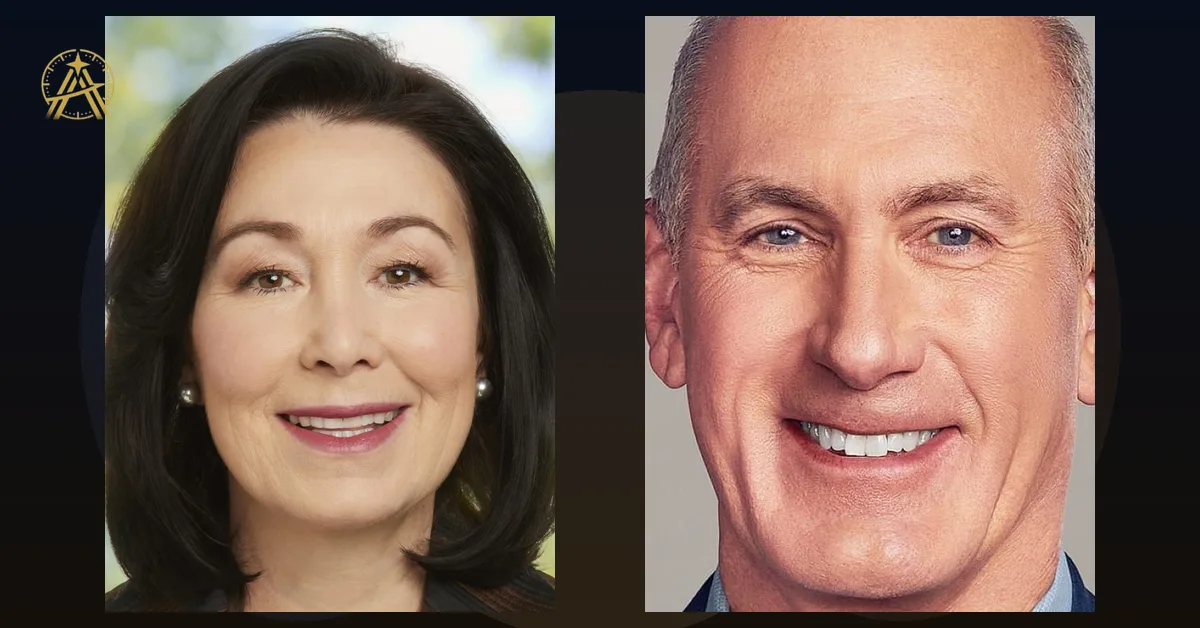
Safra Catz ran Oracle for more than a decade. She turned the software giant into a serious cloud and AI contender. John Stankey leads AT&T today and steered the telecom giant back to its core business. Both built their names inside a single company.
This comparison of Safra Catz and John Stankey reveals two opposite playbooks. Catz bought growth through bold acquisitions. Stankey sold assets to restore focus. You will see how each path led to the corner office.
| Category | Safra Catz | John Stankey |
|---|---|---|
| Company | Oracle | AT&T |
| Born | December 13, 1961, in Holon, Israel | 1962, in Los Angeles, California |
| Education | Wharton B.A. (1983), Penn Law J.D. (1986) | B.B.A. Loyola Marymount (1985), M.B.A. UCLA (1991) |
| Joined | Oracle, April 1999 | Pacific Bell, 1985 |
| Top role | CEO (2014–2025), now executive vice chair | CEO since 2020, chairman since 2025 |
| Signature move | 100+ acquisitions, including PeopleSoft and NetSuite | Exiting media: WarnerMedia spin-off, full DirecTV sale |
| Core bet | Cloud and AI growth | 5G wireless and fiber connectivity |
Who Is Safra Catz?
Early Life and Education
Safra Ada Catz was born on December 13, 1961, in Holon, Israel. Her father, Leonard Catz, worked as a nuclear physicist. Her mother, Judith, worked as a speech therapist and survived the Holocaust. The family immigrated to the United States in 1967 and settled in Brookline, Massachusetts. Safra attended Brookline High School there. Her parents valued education deeply, and that emphasis shaped her disciplined mind.
Catz earned admission to the University of Pennsylvania. She graduated from the Wharton School with a B.A. in 1983. She then earned a J.D. from Penn Law in 1986. Her legal and financial training gave her a rare edge. She reads contracts like a lawyer and balance sheets like a banker. That combination of law and finance is rare among tech CEOs. It made her unusually comfortable with complex transactions. You rarely see that pairing at the top of Silicon Valley. It became her signature advantage.
Catz married businessman Gal Tirosh, and the couple guards their privacy closely. You can read more about their marriage and family life in our profile of Gal Tirosh.
Rise Through Oracle
Catz began her career in investment banking at Donaldson, Lufkin & Jenrette. She joined the firm in 1986. She rose to senior vice president in 1994. She became managing director in 1997. Her banking years taught her patience with long negotiations. The PeopleSoft battle later proved that lesson. Wall Street taught her how to structure complex deals. It also taught her how to walk away from bad ones.
Oracle hired her as senior vice president in April 1999. She joined Oracle’s board in 2001. The company named her president in 2004. She also served as chief financial officer from 2005 to 2008. She returned to the CFO role in 2011. Few executives master both the deal desk and the finance desk, but Catz mastered both. The boardroom noticed her discipline early. She ran Oracle’s finances with a firm hand. She cut costs without cutting ambition. Larry Ellison trusted her judgment on the biggest calls. Their partnership lasted for years.
In September 2014, Larry Ellison stepped down as CEO. Catz became co-CEO alongside Mark Hurd. Ellison moved to executive chairman and chief technology officer. After Hurd’s death in 2019, Catz became sole CEO. She led Oracle for more than a decade at the top.
Her influence reached beyond Oracle. She sat on the Disney board from 2018 to 2024. She served on the HSBC board from 2008 to 2015. She joined the U.S. Homeland Security Advisory Council in 2022. Fortune ranked her 11th among the world’s most powerful women in 2023. Forbes placed her 17th on its powerful women list in 2024.
The Acquisition Machine
Catz earned a reputation as one of tech’s toughest dealmakers. She drove more than 100 acquisitions during her tenure. The landmark deals defined Oracle’s modern shape. Oracle paid $10.3 billion for PeopleSoft in 2005. It bought Sun Microsystems for about $7.4 billion. It paid $9.3 billion for NetSuite. Each deal expanded Oracle’s software empire. The acquisition count climbed past 100 across her leadership years.
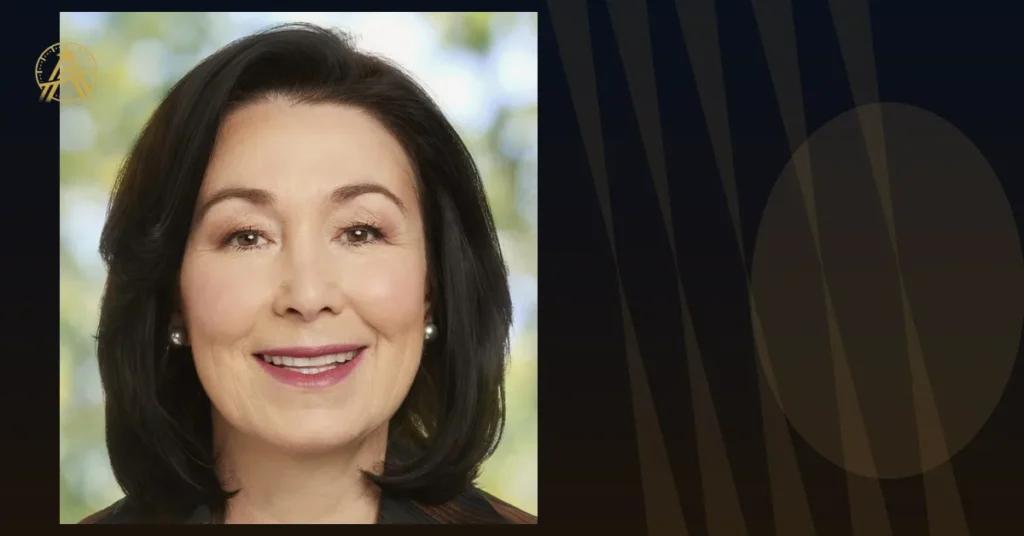
Critics questioned the price tags at times. Catz answered with results, not rhetoric. She pushed Oracle deeper into cloud infrastructure. She positioned the company for the artificial intelligence wave. Her formula stayed simple: buy strong products, then scale them inside Oracle.
The PeopleSoft deal showed her nerve. Oracle pursued the hostile takeover through a long and bitter battle. PeopleSoft’s board resisted the bid. Catz kept raising the offer until the deal closed in 2005. It proved she would not blink in a fight. The Sun deal gave Oracle control of Java and MySQL. Analysts questioned the hardware bet at first. Oracle made it work through disciplined integration. Each acquisition followed the same playbook: buy the product, keep the customers, and sell more licenses. The approach generated steady cash flow. That cash funded the next round of deals. The acquisition engine ran for more than a decade.
The cloud business became the company’s growth engine. The acquisitions fed directly into that engine. Wall Street rewarded the strategy over time. In 2025, Oracle signed major AI computing deals. Reported commitments included large OpenAI contracts. The stock surged about 36 percent after the September 2025 results. The rally added roughly $412 million to her estimated wealth, per News18.
A New Chapter in 2025
In September 2025, Catz moved to executive vice chair of Oracle’s board. She handed the CEO office to two successors. Clay Magouyrk and Mike Sicilia became co-CEOs. Magouyrk led Oracle Cloud Infrastructure. Sicilia led cloud applications and AI. The transition capped a remarkable run.
The co-CEO model splits duties by strength. Magouyrk owns infrastructure. Sicilia owns applications and AI. Catz oversees the whole machine from the vice chair’s seat. Her fingerprints remain on every major bet.
Catz also joined the Paramount Skydance board in August 2025. In 2026, she joined the President’s Council of Advisors on Science and Technology. She continues to shape Oracle’s strategy from the boardroom. Her dealmaking era set the company’s course for years ahead.
Who Is John Stankey?
Humble Beginnings in Los Angeles
John T. Stankey was born in 1962 and raised in Los Angeles. He grew up as the youngest of three children. His father worked as an insurance underwriter. His mother stayed home to raise the family. Nothing about his start predicted a Fortune 500 corner office.
Stankey earned a B.B.A. in finance from Loyola Marymount University in 1985. He later earned an M.B.A. from UCLA Anderson in 1991. His background sits far from the Ivy League path. He built his career on persistence, not pedigree. His parents taught him the value of steady work. He carried that lesson into every role. He never chased the spotlight. He chased results instead. That temperament fit a company like AT&T. It rewards patience over flash.
Climbing AT&T From the Ground Up
Stankey started in an entry-level job at Pacific Bell in 1985. He joined before the mobile era began. He watched the industry change completely. He adapted at every turn. SBC Communications acquired Pacific Bell in 1996. SBC merged with AT&T Corp. in 2005. The merger created the modern AT&T. Stankey became CIO of the combined company. He managed technology for one of America’s largest networks.
He served as senior vice president and CTO from 2008 to 2012. He then became chief strategy officer and group president. The strategy role put him beside the CEO. Every promotion widened his view of the business. His finance background helped him read deals clearly. Technology roles taught him how networks actually run. Strategy roles taught him how deals actually work. He learned the business from the wiring up. Few CEOs understand their company’s plumbing so well. That knowledge paid off when crisis came.
In 2015, he led the $48 billion purchase of DirecTV. The deal reached about $67 billion with debt included. He became CEO of the AT&T Entertainment Group. In 2018, he took charge of WarnerMedia after the Time Warner deal. He oversaw the launch of HBO Max. At WarnerMedia, he pushed the company into streaming. The streaming wars demanded huge spending. AT&T’s debt made that spending harder. He saw the math clearly. A telecom company could not win a content war.
His steady, decades-long climb recalls other self-made business leaders we profile. One example is Sanjay Pahariya, whose biography traces a similar rise through family and business.
Undoing the Media Empire
Stankey became president and COO of AT&T in October 2019. He succeeded Randall Stephenson as CEO on July 1, 2020. He inherited a company weighed down by debt. AT&T had bet big on media ownership. Stankey reversed that bet with discipline.
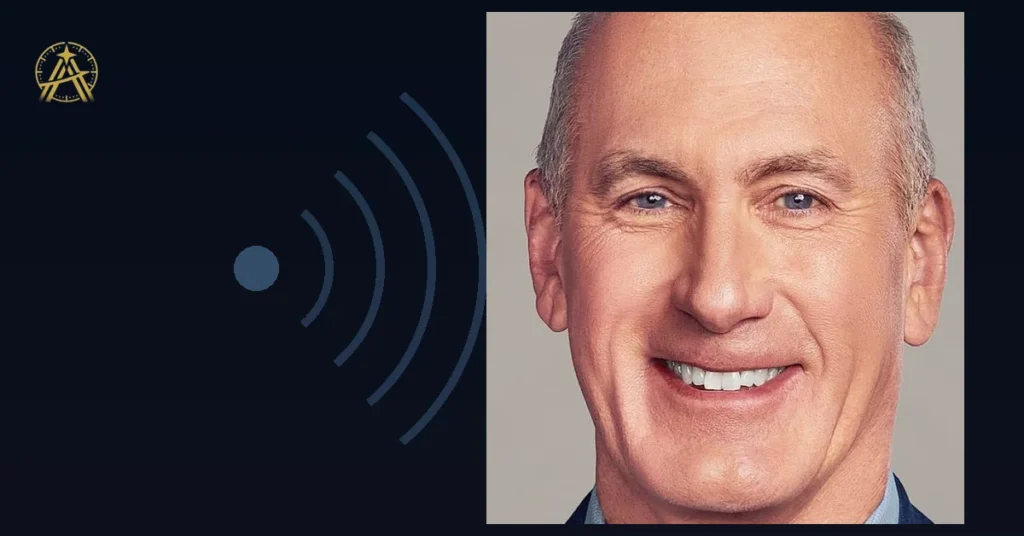
WarnerMedia merged with Discovery in April 2022. The combination created Warner Bros. Discovery. AT&T received about $43 billion in cash. Its shareholders gained about $59 billion in Discovery stock. The spin-off simplified AT&T’s portfolio overnight.
Next, Stankey sold AT&T’s remaining stake in DirecTV. The deal with TPG Capital closed on July 2, 2025. It valued AT&T’s share at $7.6 billion. An earlier 2021 sale had transferred 30 percent of DirecTV to TPG. The sales gave investors a clearer strategy to judge. The exits took years to complete. Each step required board approval and regulatory patience. Stankey moved methodically through the process. He treated the divestitures like a long project. The market rewarded the focus. AT&T’s story became simple again: connectivity.
With the media exits done, Stankey refocused AT&T on 5G and fiber. The company passed 30 million fiber locations in 2025.
Safra Catz and John Stankey Side by Side
The two leaders share a striking trait: company loyalty. Both spent decades inside one organization. Catz gave Oracle more than 25 years. Stankey has given AT&T more than 40 years. Both mastered finance before taking the top job. Both earned trust through long service, not shortcuts.
Their strategies, however, moved in opposite directions. Catz expanded Oracle by buying growth. Stankey shrank AT&T to sharpen its focus. Catz bet that scale wins in enterprise software. Stankey bet that focus wins in telecom. One built an empire through acquisitions. The other rebuilt a giant through divestitures.
Both faced skeptical boards and loud critics. Catz defended billion-dollar price tags for years. Stankey defended billion-dollar write-downs on media deals. Both stayed calm under pressure. Both let results settle the debate. Both leaders also weathered the same economic storms. The dot-com bust, the financial crisis, and the pandemic tested them all. Long tenure gave both leaders deep institutional memory. That memory proved valuable.
The comparison offers a lesson for you as a reader. There is no single path to the corner office. Vision matters, but so does knowing when to buy and when to sell. Catz saw the future in the cloud. Stankey saw the future in the network. Both were right for their companies.
You can also see the difference in their public profiles. Catz guards her privacy fiercely. Stankey speaks often at industry conferences. One leads through deals. The other leads through operations. Both styles work. The company you run decides which one fits.
Where Safra Catz and John Stankey Stand in 2026
In 2026, Catz guides Oracle as executive vice chair. She advises the new co-CEOs on cloud and AI strategy. Her net worth estimates move with Oracle’s stock price. Forbes estimated her fortune at about $3.1 billion in August 2025. The estimate rose to about $3.4 billion in September 2025. A 2026 secondary citation placed it near $2.9 billion. All figures are estimates tied to the share price. Forbes updates its estimates as markets move. A single rally can shift the numbers by hundreds of millions. Her estimated wealth sits alongside other business fortunes we cover. These include Katrina Campins’ net worth and her real estate empire story.
Stankey runs AT&T as CEO, president, and chairman. He took the chairman’s role in February 2025. AT&T now centers on wireless 5G and fiber connectivity. The company reported 2024 revenue above $122 billion. No widely published personal net worth figure exists for Stankey. You should ignore unsourced numbers you find online. His reported 2023 compensation was about $25.7 million. That figure comes from corporate filings.
Both leaders now face the same test. They must prove their strategies outlast the headlines. Catz must show that the cloud bets pay off under new leadership. Stankey must show that a focused AT&T can win the 5G race. Oracle now competes directly with cloud giants on AI workloads. The infrastructure Catz funded carries that fight. Stankey faces a different battle. He must win customers one fiber line at a time. Both tasks demand patience. Both leaders have it. The next chapter will judge both playbooks.
Frequently Asked Questions About Safra Catz and John Stankey
Who is Safra Catz?
Safra Catz is the former CEO of Oracle. She now serves as executive vice chair. She led Oracle from 2014 to 2025. She built her name through more than 100 acquisitions.
Who is John Stankey?
John Stankey is the CEO and chairman of AT&T. He has worked at the company since 1985. He became CEO on July 1, 2020. He refocused AT&T on 5G and fiber.
What is Safra Catz’s net worth?
Forbes estimated her net worth at about $3.4 billion in September 2025. The figure changes with Oracle’s share price. A 2026 secondary citation placed it near $2.9 billion. Treat all figures as estimates.
What is John Stankey’s net worth?
No reliable public estimate exists for his net worth. You should not trust unsourced numbers online. His reported 2023 compensation was about $25.7 million. That figure comes from corporate filings.
Why did Safra Catz leave the CEO role?
She moved to executive vice chair in September 2025. Two executives succeeded her as co-CEOs. The shift marked a planned succession. She remains active on Oracle’s board.
How did John Stankey reshape AT&T?
He sold off AT&T’s media assets. WarnerMedia merged with Discovery in 2022. He completed the full DirecTV exit in 2025. He redirected investment toward 5G and fiber.
What companies did Safra Catz acquire?
She drove more than 100 Oracle acquisitions. The largest were PeopleSoft, Sun Microsystems, and NetSuite. The deals reshaped Oracle into a cloud powerhouse. Each one expanded the product portfolio.
Are Safra Catz and John Stankey related?
No, they share no family connection. They simply ran two of America’s largest companies in the same era. This article compares their leadership styles. The pairing highlights two opposite strategies.
Conclusion
Safra Catz and John Stankey prove that leadership takes many forms. Catz grew Oracle through fearless buying. Stankey saved AT&T through disciplined selling. Both read markets with rare clarity. Both earned their seats through decades of work.
Their stories remind you that strategy beats slogans. Study the playbooks, and choose your own path. Buy when the asset strengthens your core. Sell when it clouds your vision. Know your core, and build around it. Ignore the noise, and trust the numbers. Catz and Stankey did exactly that. One lesson stands out above the rest. Know where you win, and double down there.



Pingback: Elon Musk Net Worth 2026: Bio, Age, Family & Fortune